Kategorien
- Alle
- Krimi
- Fantasy und Science-Fiction
- Gesellschafts- und Liebesromane
- Für Kinder und Jugendliche
- Geisteswissenschaft
- Fremdsprachen
- Sachliteratur, Reportagen, Biografien
- Wissenschaft und neue Technologien
- Ratgeber
- Abenteuer, Thriller, Horror
- Fachliteratur
- Lebensstil
- Bildung
- Poesie und Drama
- Religion und Spiritualität
- Erotik
- Kostenlos

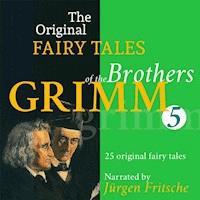
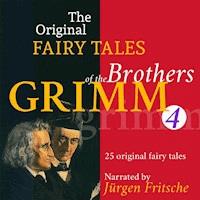
Jacob Grimm (1785–1863) and Wilhelm Grimm (1786–1859), known as the Brothers Grimm, were German academics and linguists who transformed the study of folklore. Their collection Children's and Household Tales (Kinder- und Hausmärchen), first published in 1812, became one of the most influential works in world literature. Their tales — including Cinderella, Snow White, Hansel and Gretel, Little Red Riding Hood, Sleeping Beauty, Rumpelstiltskin, The Frog Prince, The Bremen Town Musicians, The Juniper Tree, and The Wolf and the Seven Little Goats — were drawn from oral traditions of peasants, laborers, and wanderers across Germanic lands. What many readers forget is that the original stories were never meant for children. The first editions contained graphic violence, cruel punishments, and unflinching depictions of human nature. Over seven subsequent editions, the Brothers themselves softened many tales for middle-class audiences — adding Christian morality and removing the darkest elements. This edition restores that darkness. Beyond folklore, the Brothers Grimm made lasting contributions to linguistics, most notably their monumental German Dictionary (Deutsches Wörterbuch), a foundational work in the field.