
0,99 €
Niedrigster Preis in 30 Tagen: 1,99 €
Niedrigster Preis in 30 Tagen: 1,99 €
Mehr erfahren.
- Herausgeber: Booksell-Verlag
- Kategorie: Gesellschafts- und Liebesromane
- Sprache: Englisch
In "Wieland; Or, The Transformation: An American Tale," Charles Brockden Brown presents a groundbreaking exploration of the psychological and supernatural elements that haunt early American literature. Written in the context of the post-Revolutionary era, this gothic novel weaves themes of identity, rationality, and the sublime, utilizing an epistolary style that reflects the anxiety and tumult of a burgeoning nation. Through the harrowing tale of the Wieland family, Brown delves into the intersections of reason and madness, employing vivid imagery and intricate characterizations that invite readers to question the reliability of perception and the nature of evil. Charles Brockden Brown, often regarded as the first American novelist, was a pivotal figure in shaping the American literary landscape at the turn of the 19th century. His experiences with the Enlightenment's emphasis on reason, coupled with his fascination with the darker recesses of the human psyche, profoundly influenced his writing. Having lived through the revolutionary upheaval, he sought to address the moral dilemmas facing individuals in a new republic, creating narratives that resonate with both historical awareness and existential inquiry. "Wieland" is a compelling read for those interested in the origins of American gothic literature and the philosophical underpinnings of its time. Brown's deft handling of suspense and psychological tension makes this novel a significant work that challenges readers to confront the complexities of human nature and the cultural narratives that shape our understanding of truth. This intricate tale remains essential for anyone seeking to grasp the evolution of American fiction and its reflections on society. In this enriched edition, we have carefully created added value for your reading experience: - A succinct Introduction situates the work's timeless appeal and themes. - The Synopsis outlines the central plot, highlighting key developments without spoiling critical twists. - A detailed Historical Context immerses you in the era's events and influences that shaped the writing. - A thorough Analysis dissects symbols, motifs, and character arcs to unearth underlying meanings. - Reflection questions prompt you to engage personally with the work's messages, connecting them to modern life. - Hand‐picked Memorable Quotes shine a spotlight on moments of literary brilliance. - Interactive footnotes clarify unusual references, historical allusions, and archaic phrases for an effortless, more informed read.
Das E-Book können Sie in Legimi-Apps oder einer beliebigen App lesen, die das folgende Format unterstützen:
Veröffentlichungsjahr: 2019
Ähnliche














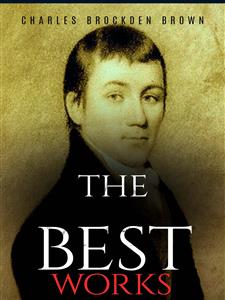

Wieland; Or, The Transformation: An American Tale
Table of Contents
Introduction
A private faith confronted by inexplicable voices unravels a household and tests the limits of reason. Charles Brockden Brown’s Wieland; Or, The Transformation: An American Tale, first published in 1798, stands among the earliest American Gothic novels, set near Philadelphia in the fledgling republic. Told as a retrospective account, it adopts the perspective of Clara Wieland, who seeks to understand a chain of unsettling events that engulf her family. Brown’s work emerges at the turn of the nineteenth century, when Enlightenment optimism mingled uneasily with fears of fanaticism, making the novel both a product of its moment and a lasting meditation on belief.
The premise is deceptively simple: a close-knit family, marked by intense piety and a tragic earlier loss, inhabits a secluded estate where peace yields to unease. Clara’s brother, Theodore, is a figure of probity and devotion; their circle is small, their habits orderly. Then come disturbances that resist easy explanation—voices where no speaker is found, intimations that unsettle trust in the senses. Into this fragile equilibrium steps a stranger, Carwin, whose ambiguous bearing heightens suspicion. Brown stages the uncanny not through spectacle but through perception itself, offering a suspense experience that is intimate, psychological, and relentlessly questioning.
Clara’s voice shapes the novel’s distinctive power. She writes as witness and analyst, measuring experience against memory, inference, and moral judgment. Her narrative is disciplined, careful with evidence, and yet charged with dread, creating a tone that oscillates between cool assessment and rising panic. Brown builds tension through uncertainty, layering testimonies, coincidences, and impressions that never quite cohere. The style favors exacting description and introspective debate over overt shock, inviting readers to scrutinize every claim. This confessional quality lends immediacy while foregrounding the act of interpretation: how we piece together fragmentary signs to produce meaning—or mistake.
At its heart, the book interrogates the conflict between Enlightenment rationalism and the temptations of superstition, especially when private conviction collides with public proof. It asks how far conscience can be trusted when perception falters, and what responsibility we bear for actions taken under conditions of doubt. Religious zeal, familial loyalty, and the authority of inner voices become tests of character and judgment. Brown probes the ethics of influence—how charismatic figures, suggestive environments, and unverified reports can sway otherwise stable minds. The result is a study of moral peril that refuses easy answers, insisting on the difficulty of knowing.
Wieland is also an American book in its setting and anxieties. The rural estate outside Philadelphia functions as a laboratory for the new nation’s ideals, exposing the fragility of reason in a culture still haunted by older forms of authority. Brown pulls transatlantic Gothic effects into local woods, houses, and social rituals, crafting a distinctly national atmosphere of isolation and scrutiny. The novel’s attention to testimony, credibility, and reputation locates it within a society negotiating its institutions and norms. Its publication at the end of the eighteenth century frames it as both a caution and a diagnosis of its era’s contradictions.
For contemporary readers, the novel’s questions feel strikingly current. It examines how quickly confidence in the senses can erode, how rumor and suggestion distort judgment, and how private certainties can become public harm. The book speaks to an age of contested truths, urging vigilance about sources, motives, and the gaps between hearing and understanding. Its focus on a woman narrator navigating credibility highlights issues of voice and authority that remain pressing. By tracing the psychology of belief under pressure, Brown anticipates debates about evidence, persuasion, and responsibility that extend well beyond his historical moment.
Approached as experience, Wieland offers a concentrated, slow-burning dread shaped by lucid prose and exacting self-scrutiny. The narrative rewards patient readers who attend to nuance and are comfortable living with ambiguity. Brown withholds definitive explanations long enough to make interpretation part of the tension, shifting the Gothic from crumbling castles to the mind’s unsteady chambers. Without relying on spectacle, the book delivers intellectual and emotional unease that lingers. It remains compelling not just as an early milestone in American fiction but as a probing study of conviction, perception, and the fraught passage from inner voice to outward act.
Synopsis
Clara Wieland recounts the history of her family and the unsettling events that unfolded near Philadelphia in the late eighteenth century. Her father, a devout immigrant, withdrew from public life to practice private worship in a small temple he built on their estate. His sudden, unexplained death left a lasting impression on his children and shaped their quiet upbringing. Clara lived nearby her brother, commonly called Wieland, and his gentle wife, while their close friend Henry Pleyel often visited. The circle enjoyed cultivated conversation, music, and study, seemingly protected by prosperity and seclusion, until subtle disturbances hinted that their ordered world would not remain intact.
Years after their father’s demise, the siblings had settled into complementary roles. Wieland, conscientious and pious, managed his property and devoted time to meditation at the old temple. Pleyel, educated and skeptical, prized reason and empirical proof. Clara, independent yet affectionate, maintained her own household nearby, observing the group’s habits with careful attention. Their meetings balanced devotion and rational debate, creating a harmony that appeared secure. Small peculiarities, however, intruded on routine: inexplicable echoes, mislaid objects, and impressions that someone had entered when the doors were barred. These incidents, at first dismissed as chance, gradually accumulated and troubled the household.
One evening, a disembodied voice warned a member of the party away from a dangerous course, averting a potential mishap. Another time, a call seemed to summon someone to the temple without any visible speaker. Searches revealed no intruder and no natural source. The friends compared accounts, tested possibilities, and differed in interpretation. Pleyel argued for error or trickery; Wieland sensed something solemn at work; Clara recorded each episode with growing unease but withheld conclusion. The incidents sharpened latent disagreements about faith, providence, and human perception, turning recreational conversations into earnest disputes that subtly altered the group’s confidence.
The arrival of a stranger, calling himself Carwin, disturbed their balance further. He was resourceful, well read, and strangely reticent about his past, moving with ease between humility and bold insinuation. His intelligence impressed Clara and provoked Pleyel, while his manner occasionally unsettled Wieland’s conscientious mind. Hints of earlier travels, obscure entanglements, and possible disguises clung to his stories. Although he appeared courteous, circumstances placed him near several unexplained incidents. The friends’ responses divided: curiosity, suspicion, and fascination drew them closer even as trust frayed. Carwin’s presence became a catalyst, linking prior ambiguities to fresh uncertainties within the secluded circle.
Clara soon faced disturbances within her own home. Footsteps and whispered phrases seemed to arise in locked rooms. A private drawer was opened without clear means. A nocturnal encounter convinced her that someone had been concealed nearby, yet proof eluded detection. Messages reached her that complicated an emerging attachment, producing misunderstandings with painful consequences for her reputation. At moments, intervention by an unseen speaker prevented planned meetings and redirected her choices, leaving her unsure whether she was being protected or manipulated. The tension between appearances and facts narrowed around Clara, concentrating the broader unease into immediate personal peril.
Meanwhile, Wieland’s religious seriousness deepened. He sought solitude in the temple, reflected on duty, and interpreted unusual sounds as possible signs. What began as conscientious piety shifted toward a conviction that extraordinary guidance governed his path. Friends tried to moderate his conclusions, yet circumstances supplied coincidences that reinforced them. As reports of voices multiplied, an irreversible calamity shook the family. The effects were immediate and devastating, transforming domestic order into grief and confusion. In the aftermath, the survivors confronted a thicket of unanswered questions: who had spoken, by what agency, and to what end had such messages been delivered?
Attention turned toward Carwin, whose proximity to key moments seemed too close to ignore. Clara confronted him, pressing for clarity. He offered fragmentary explanations that resolved certain puzzles while deepening others, admitting to actions that affected perceptions without confessing to all that had occurred. His account suggested a mixture of experiment, fear, and opportunism rather than a single, coherent plan. Yet not every voice could be traced to him, and not every effect aligned with his claims. The narrative kept multiple possibilities alive, allowing natural, psychological, and other readings to coexist as the characters sought accountability.
Public authorities became involved, and formal proceedings sought to assign responsibility. Testimony from witnesses presented a mosaic of memory, deduction, and belief. The law’s demand for causation met the characters’ shaken senses, revealing the limits of proof when perception itself is unstable. During this period, Clara faced an immediate danger that forced a direct confrontation with the menace at the center of events. Intervention, both accidental and deliberate, averted the worst outcome, and explanations were supplied that closed some avenues of doubt. Even so, crucial elements remained unresolved, and the ultimate measure of blame resisted simple, singular attribution.
In the closing pages, Clara recounts the dispersal of the group and her own path toward recovery. Time, distance, and renewed companionship offer partial healing, while unanswered questions persist at the margins. The story’s sequence underscores the fragility of judgment when authority speaks through unverified voices and when conviction outruns evidence. It gestures toward the risks of enthusiasm, the vulnerabilities of perception, and the complexities of assigning guilt in a world where coincidence and contrivance can appear indistinguishable. Without prescribing doctrine, the narrative presents an American setting haunted by uncertainty yet open to restoration through reflection, restraint, and human ties.
Historical Context
Wieland is set in eighteenth-century Pennsylvania, largely in a secluded estate called Mettingen, within reach of Philadelphia and the Schuylkill River. The landscape is semi-frontier: wooded ravines, caves, and a private temple built on the family grounds replace parish churches and dense towns. Although the narrative is reticent about exact dates, its milieu reflects the late colonial to early national period, when Pennsylvania’s countryside mixed German-speaking communities with English Quaker legacies. The estate’s relative isolation magnifies the authority of household religion and patriarchal governance, while the proximity to Philadelphia—then the largest city in British North America and later the national capital—anchors the tale in a region where political experiment, religious pluralism, and scientific curiosity were unusually intense.
Pennsylvania’s eighteenth-century religious ferment forms the most determinative background. Founded by William Penn in 1681 as a refuge for conscience, the province attracted German Pietists, Mennonites, and Moravians. Conrad Beissel’s semi-monastic Ephrata Cloister (est. 1732, Lancaster County) and Count Nikolaus Zinzendorf’s Moravian settlement at Bethlehem (founded 1741) embodied intense devotional practices, lay discipline, and expectations of direct inspiration. The First Great Awakening (c. 1739–1745), led by George Whitefield and Jonathan Edwards, heightened a culture of conversion narratives, inward voices, and millennial expectation. Brown’s Wieland family, bearing a German surname and inhabiting a region thick with Pennsylvania Germans, channels this world. The patriarch’s prayer-built temple and his son’s credulity before a “celestial” command are legible as the tragic extreme of enthusiasm: private revelation eclipsing communal checks and empirical reason in a colony famous for toleration but also vulnerable to zeal turned inward.
A widely reported criminal case supplied the novel’s closest real-world analogue: the 1781 murders by James Yates, a New York farmer who claimed he acted under divine command. Newspapers in 1782 circulated accounts of Yates slaughtering members of his own family in upstate New York after hearing what he believed was God’s voice. The case became a cautionary emblem of fanaticism and delusion in the early republic, reprinted in moral tracts and periodicals. Contemporary observers and later scholars have seen in Theodore Wieland’s parricidal obedience to an unseen voice a direct echo of Yates. Brown’s substitution of a human ventriloquist for supernatural agency turns the Yates template into a meditation on error, credulity, and the susceptibility of conscience to manipulation within a culture already primed to hear the divine in inward audition.
The American Revolution (1775–1783) and Pennsylvania’s radical constitutional moment framed the social world the novel interrogates. Philadelphia fell under British occupation in 1777–1778; the Pennsylvania Constitution of 1776 created a unicameral legislature and broadened democratic participation, provoking fierce debate over authority and virtue. Confiscations of Loyalist estates and militia mobilization unsettled property and hierarchy. Although Wieland avoids battlefields, its anxious attention to the grounds of authority—what voice binds conscience, how legitimacy is recognized—reflects post-revolutionary disputes. Brown, a Philadelphian born in 1771, wrote amid arguments between Federalists and Democratic-Republicans over the place of reason, passion, and the people in governance, and he locates those frictions in a household where obedience, sovereignty, and evidence collapse.
Frontier violence in the wake of Pontiac’s War (1763) further shaped Pennsylvania’s political imagination. In December 1763, the Paxton Boys—frontier vigilantes—massacred 20 peaceful Conestoga Indians in Lancaster County, then marched toward Philadelphia (February 1764) before Benjamin Franklin negotiated their dispersal and published A Narrative of the Late Massacres. The episode revealed how rumor, fear, and private justice could override law, and how provincial authorities struggled to secure distant settlements. Wieland’s rural setting, dependence on private judgment, and disastrous resort to extralegal violence resonate with this legacy. Carwin’s status as a shadowy outsider and the community’s inability to verify truths evoke a political culture learning, sometimes catastrophically, how to mediate between suspicion, testimony, and public order.
The yellow fever epidemics, especially in Philadelphia in 1793, supplied Brown with experiential knowledge of panic and invisible causation. Between August and November 1793, roughly 5,000 of the city’s 50,000 residents died; Dr. Benjamin Rush advocated aggressive bleeding, while Absalom Jones and Richard Allen’s Free African Society organized relief. Subsequent outbreaks in 1797 and 1798 kept dread alive. Brown remained close to these events and later wrote extensively about them. Wieland’s atmosphere—households sealed by fear, sudden death without clear cause, and the limits of contemporary science—mirrors epidemic culture. The novel’s fascination with the unseen forces behind catastrophe, and with interpretive error under mortal pressure, echoes a city where miasma theories, clashing authorities, and desperate measures governed life and death.
International crisis and domestic repression during the Quasi-War with France (1798–1800) sharpened the novel’s politics of suspicion. After the XYZ Affair (1797), Congress passed the Naturalization Act (June 18, 1798), the Alien Friends and Alien Enemies Acts (June–July 1798), and the Sedition Act (July 14, 1798), under which Congressman Matthew Lyon was prosecuted. Federalists feared foreign subversion; Democratic-Republicans decried tyranny. Brown published Wieland in 1798, precisely as surveillance and xenophobia intensified. Carwin’s opaque origins, foreign travels, and covert arts align with the era’s anxiety about outsiders and clandestine influence, while the lethal power of a fabricated “voice” parallels the period’s partisan accusations, pamphleteering, and the fragility of truth under political pressure.
As a social and political critique, the book exposes the perils of unregulated enthusiasm, patriarchal absolutism, and the epistemic volatility of the early republic. It indicts private sovereignty—religion confined to household will—by showing how conscience without communal verification can license atrocity. It scrutinizes classed seclusion and gendered vulnerability: Clara negotiates threats in spaces where law seldom reaches. By dramatizing how an unseen operator can counterfeit authority, the novel interrogates propaganda, rumor, and the instrumentalization of fear in the 1790s. Its Pennsylvania setting, steeped in pluralism yet scarred by vigilante justice and epidemic, allows Brown to argue for disciplined reason and public accountability against the seductions of inner certainty and the politics of suspicion.